


In many organisations, considerable time and effort is spent on succession planning. Great comfort is taken from the knowledge that as one person leaves or is promoted another member of the team is ready to step in so that any disruption is kept to a minimum.
But does it work?
Clearly for many jobs, particular junior roles, succession planning can work. At the most senior levels it is less straightforward. Very often, those who are happy to spend time in a supporting role are not cut out to take on the number one functional or line role when the time comes. We can all think of organisations that have promoted a long standing number two to a lead role with disappointing results.
It is probably the case that potential top job leaders tend not to work that well for others over extended periods of time. Long served apprenticeships could almost disbar someone from the job.
The other significant problem is the desire by leaders to recommend subordinates to protect their legacy rather than have someone come into the role and challenge what has gone on before. The departure of a senior manager should provide the impetus for organisational regeneration, not to ensure the past dictates the future.
Often, by the time the vacancy comes around, the role itself may have changed significantly - this is particularly pertinent in supply chain as big data and data science look set to change the skills required to lead the function.
The reality is that there should be an aim to nurture, train and track internal talent, but not to rely too heavily on its results. A number of simple measures can be implemented to keep a healthy flow of talent coming up through the business, with the focus on the best. Their needs should be given priority, with thought given to exposing them to different environments, judgements and risks. A degree of earmarking for future roles should be possible. But done too rigidly, and with great expectations, it will almost certainly disappoint. Ultimately, it won’t be possible to keep everyone happy in the long run.
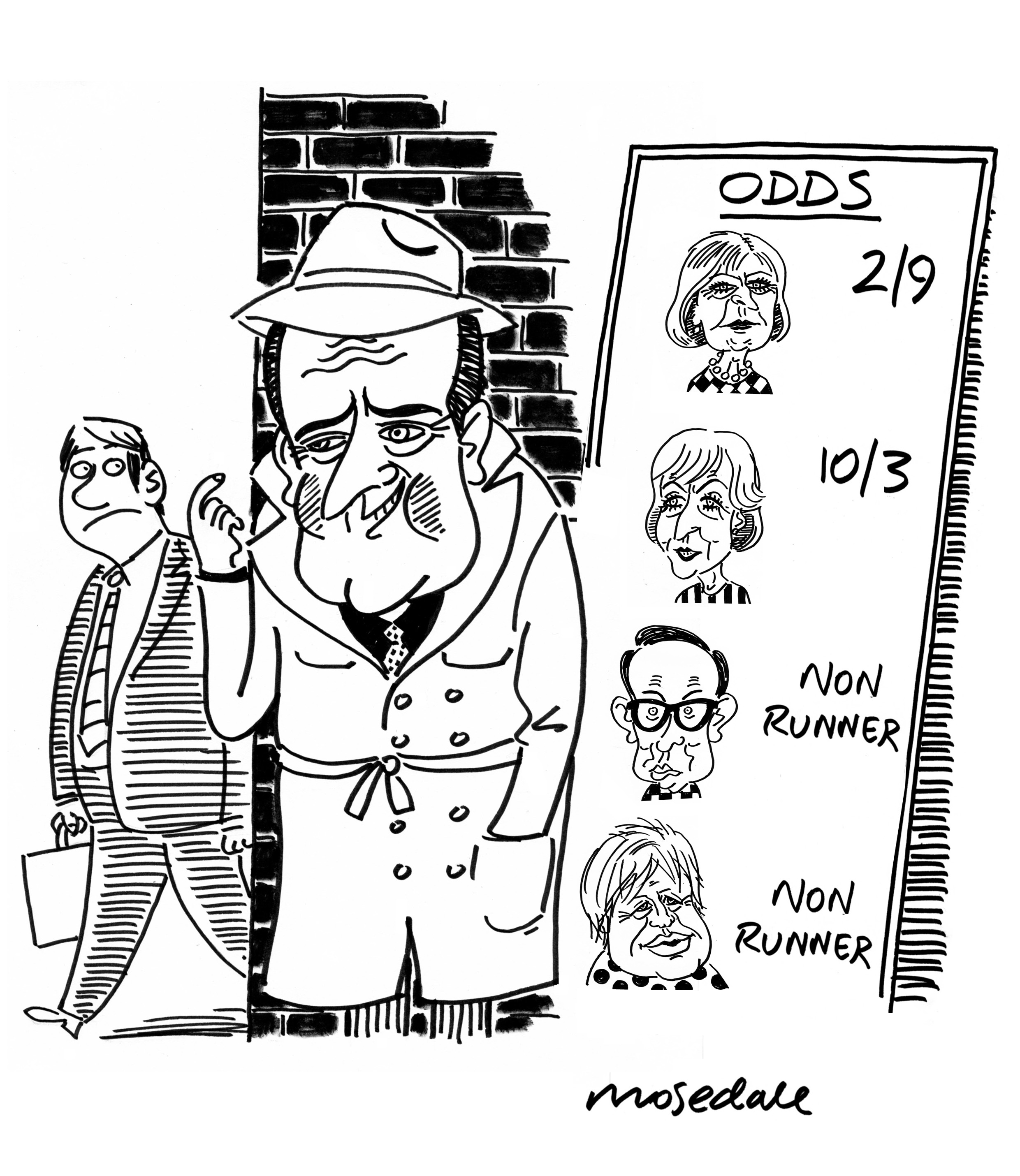
Do have a programme in place to develop your people and broaden their skills, their retention preserves the valuable culture. However an over reliance on home grown talent, and remaining too isolated from the outside world, could actually hinder the development of the business. Marshalling people around like pieces on a chess board probably isn’t going to work. As political events of the last fortnight have shown, key elements of a job description can sometimes change radically and rapidly.
The implications of the recent UK referendum for supply chains could be profound. The key skills and characteristics required for leadership roles in the function could alter as significant changes to operating models and arrangements become necessary.
In the coming year or two it’s likely that many businesses will shift focus in a variety of ways. In competitive markets, already wrestling with rapid change, leading efficient and flexible supply chains is, more than ever, going to require the most highly capable leadership qualities.